WEBBING IN THE FIRE SERVICE. If you carry anything other than gloves and a hood in your pockets, there’s a better-than-average chance that you’re carrying some webbing in one form or another. This is the first segment of a series on the uses and overall value of webbing in the fire and emergency services. Webbing isn’t anything new– it’s been in popular use since at least the early ’70s. I’m sure many (most?) readers will have had lots of experience using it in their emergency service work. But, what doesn’t seem so widely available is an attempt to catalog common day-to-day uses of the stuff and encourage its creative application in unusual situations. That’s the goal of this piece. The intended emphasis will be on 1″ tubular webbing. However, unique uses of other types will be tagged in the concluding segment.
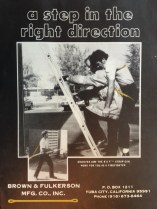
BROWN & FULKERSON’S “UTILITY STRAP.” My own exposure to webbing came via a pamphlet summarizing a product that was marketed by two Yuba City, CA firefighters, Terry Brown and Jerry Fulkerson, based on 1″ webbing. The pamphlet was published in 1978. At the time, their 1″ nylon tubular webbing was already fairly widely available. What Brown and Fulkerson (B&F) brought to the product was the addition of an 18″ loop (sewn by a certified parachute harness fabricator) at each end of a 12′ piece of webbing. This resulted in a finished strap 9′ in overall length. It’s not that you couldn’t do the same things by tying a piece of webbing, as a situation dictated. But, as illustrated by their pamphlet, simply adding a permanent, large loop to each end contributed immeasurably to the speed, convenience, and versatile use of the finished “tool.”

A facsimile of the original Brown & Fulkerson “Utility Strap”– !2′ of webbing with an 18″ loop in each end, for an overall length of 9′-0″. Unlike the original, which was sewn with bar tack stitching, this one was completed locally using a box stitch.
But, B&F’s pamplet is worth more than a million words, so we’ll let that serve, alone, as the first installment in this series. Its pages are presented in left to right, top to bottom chronological order.
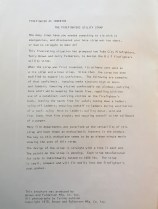
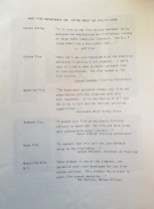
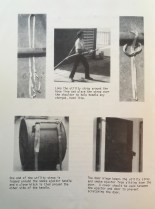

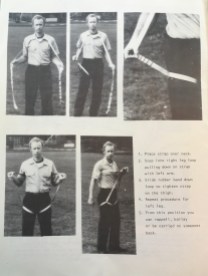
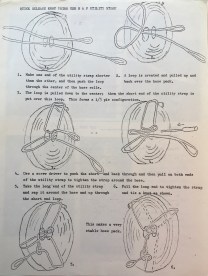
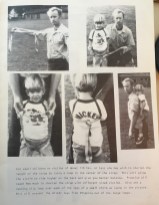
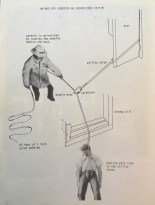
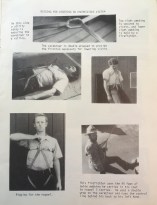
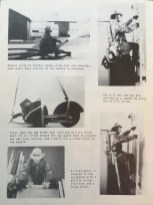


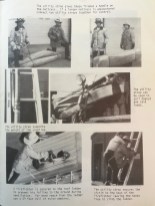

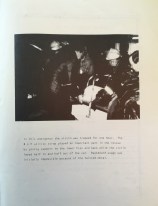
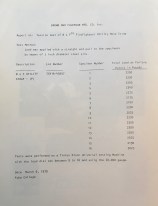

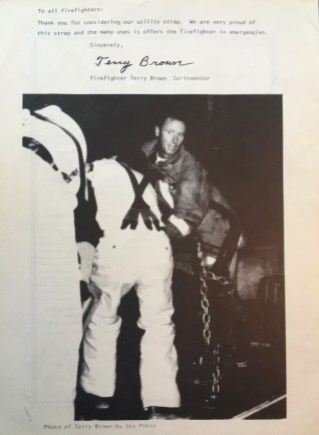
By now, B&F’s pamplet is over 40 years old; many of the uses and practices it shows have been upstaged by new, high tech alternatives, better “best practices,” obsolete equipment. Nevertheless, a quick review of their work is clear evidence of how wildly functional tubular has proven to be, how functional a simple tool can be, and, for many of us will get the creative juices flowing on expanding the use of our current favorite tool(s).
MOBILIZING B&F’S “UTILITY STRAP.” The next installment of this retrospective on webbing in the fire service will look at B&F’s utility strap as part of a system and discuss ways of optimizing its application in the field. Then, we’ll start reviewing specific applications. Contributions and links to contributions by others will be welcome, So, start collecting your thoughts on the past 40 (or whatever) years of experience and experimentation with webbing.


